
Providing an evidence-based, data-driven approach to firearms instruction, equipment, and policy.
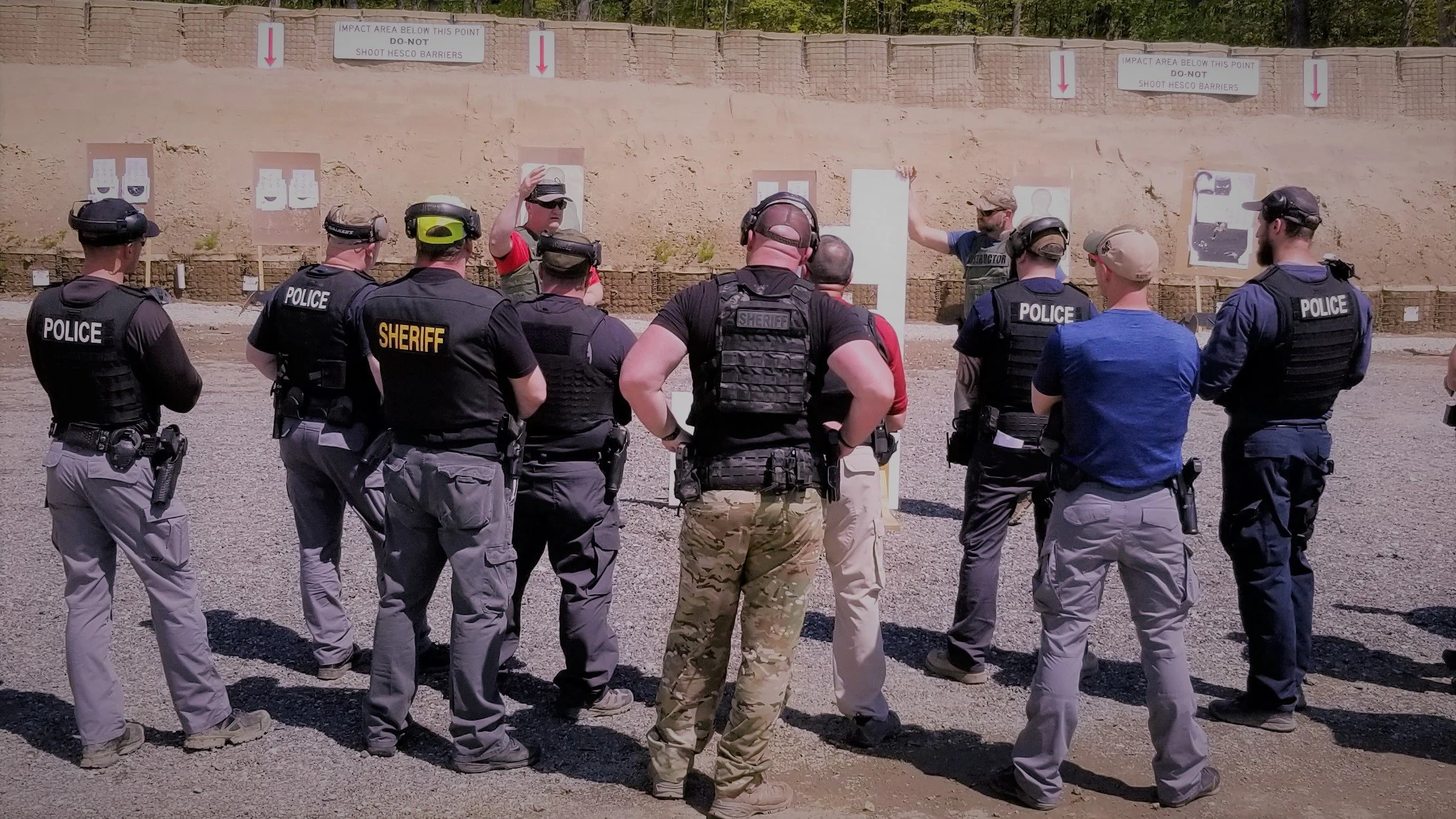
The Officer Performance Project is centered around the Officer-Involved Shooting (OIS) database. By systematically reviewing OIS investigative files, videos, and interviews, for data points relevant to training and the aggregating the data, The OIS database provides real world, evidence-based data to improving training, equipment, and the understanding of these incidents.
VIEW THE DATA:


50 Incidents
106 Experiences
13,000 + Data Points
50 Incidents 106 Experiences 13,000 + Data Points
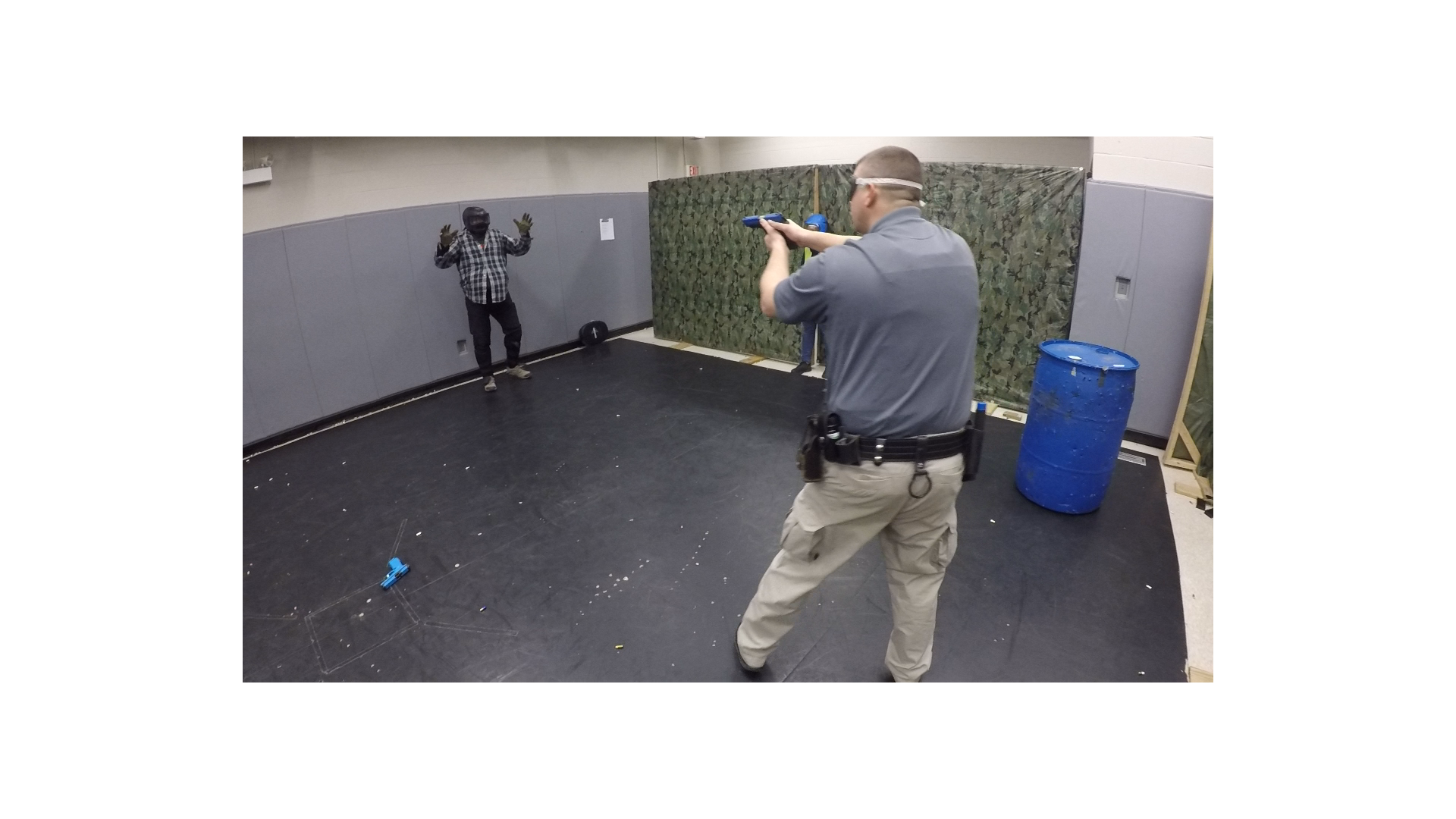
The OIS database has analyzed 50 incidents involving 106 officers who fired rounds. For each officer the database tried to answer approximately 125 questions based on the investigative reports, interviews, video of the incident when available, and crime scene photographs. These questions focused on data points relevant to training, such as the lighting conditions, duty assignment, shooting position, and what the officer was doing prior to and during the shooting.
There was video evidence in 86% of the incidents. Video was a key factor in determining many of the data points in the study.
Information is presented either “by incident” or by “officer” depending on which is more useful and what could practically be determined from the investigative file. For example, one officer may have been standing while another was kneeling when they fired shots during the same incident. The “shooting position” would be presented “by officer” while accuracy could generally only be determined “by incident” as most incidents are too dynamic to determine the path of each bullet.
Evidence Based:
Evidence Based Policing in 45 Small Bytes (National Institute of Justice):
“…there is scope for greater use of evidence at diverse points in the education and training of police officers, in the conduct of their work, in original research and in reviewing and learning from failures. What we are suggesting is very broad-based agenda for the injection of research-based evidence into police and it’s further development within the profession.”
The What, Why, When, and How of Evidence Based Policing by Nick Tilley and Gloria Laycock
as quoted in National Institute of Justice’s “Evidence Based Policing in 45 Small Bytes.”
Popow vs. City of Margate:
The courts have also stressed the need for agencies to provide realistic training, most notably in Popow vs. City of Margate 476 F SUPP. 1237. In this case an officer killed a bystander when he shot at a fleeing kidnapping suspect during a foot pursuit at night. The court found the officer’s training “grossly inadequate” as it was likely an officer would be confronted with moving targets in low light. By using a data-driven approach and properly documenting training, agencies can defend themselves in failure-to-train civil actions.
Disclaimer:
Dynamic events cannot be reduced to a spreadsheet. The information on the Officer Performance Project website cannot be used to assess reasonableness.
The majority of the dataset involves fatal shootings publicly released by government entities . For this reason, certain metrics such as accuracy and distance are likely skewed.
Preserving the anonymity of the officers and agencies involved is key to collecting data to improve performance. Similar to the “just culture” approach in other professions, the Officer Performance Project encourages continuous improvement and learning from incidents rather than hiding them. It also acknowledges the unique difficulties of police work.
When interpreting this data, instructors will have to decide when and how much to train for what is probable vs what is possible. Although mastery of the probable should be prioritized over the possible; excluding rare, possible events such as reloads or support-hand shooting is not advised.
To learn more about the dataset and how the study is conducted click the link below.
Any data, charts, graphics, or other information from the Officer Performance Project or Officer-Involved Shooting database may be reproduced for educational purposes with proper citation.
All commercial or other for-profit uses of the information from the Officer Performance Project or Officer Involved Shooting database must receive prior approval from contact@officerperformanceproject.com.